





.svg)
 (1).svg)

No, size is not the only thing that matters, two condoms do not protect better than one, and condoms do not ruin pleasure. We rounded up 7 sex myths we still hear all the time and checked what the research actually says, with a source for each one.
THE ESSENTIALS IN 30 SECONDS
- Penis size matters less than people think: in one study, height had almost the same effect on attractiveness, and the extra benefit of being "bigger" shrank the larger it got.
- Only 18.4% of women report that penetration alone is enough to reach orgasm, according to a large US study.
- Two condoms together do not protect twice as well, they raise the chance that one of them tears.
- Sex during your period does not rule out pregnancy, the odds are lower, not zero.
- Sex does not burn calories like a workout, one study measured it and the gap with a treadmill session is large.
Sex myths rarely start out of bad intent, they usually start as something someone half-heard and repeated. For the more clinical side of the topic, what actually happens in the brain and body during arousal, we have a separate article on the female brain, semen and sex. Here we stick to the 7 myths we hear most often, with the primary source right next to each one.
Myth 1: Size is the only thing that matters
Few myths cause as much anxiety as this one. The idea is simple: bigger penis, more satisfaction. It's messier than that, though.
Researchers from Monash University and the Australian National University, in a study published in the journal PNAS (Mautz et al., 2013), showed women 3D models of male bodies that varied in penis size, height, and shoulder-to-hip ratio. Larger size was rated more attractive, but the extra benefit shrank as size increased. Height had nearly the same effect as size, and the effect of size depended on height and body shape. Note: the study measured first-impression attractiveness, not satisfaction in bed.
In plainer terms: size is one factor among many, not the only one. If you want to read more specifically about enlargement, we have a separate article with exercises and information on penis enlargement, but the right framing stays the same: size is not the only factor.
Myth 2: Women easily reach orgasm from penetration alone
Movies show penetration followed immediately by orgasm, like an automatic result. In real life that is the exception, not the rule.
A large 2018 US study surveyed a representative sample of 1,055 women aged 18 to 94. Herbenick's team (Journal of Sex & Marital Therapy) found that only 18.4% of women reported that penetration alone was enough to reach orgasm. Another 36.6% said they needed clitoral stimulation to get there.
This is not a dysfunction, it is anatomy. The clitoral complex is the center of arousal for most women, and penetration alone often does not engage it enough. If you want a more detailed look at the topic, we have an article with 7 tips for better female self-pleasure.
This is exactly where a clitoral vibrator comes in naturally, whether used alone or with a partner. It's not a "backup tool for people who can't get there". It's just the right tool for the right spot. Two small, easy-to-use options in stock:
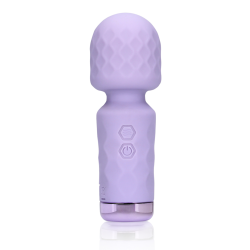
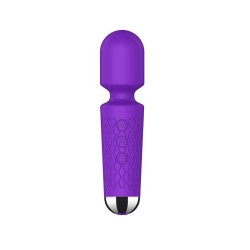
Luna Small Wand Massage Vibrator 20 Modes 8 Speeds Silicone Purple 15cm
€19.90 €29.90 -33%
In stock
View productMyth 3: Two condoms give you double protection
The logic sounds obvious: if one condom protects you, two should protect you twice as well. It is almost exactly the opposite.
The US public health body CDC is clear on this: use one new condom per act, never two together. Two condoms rub against each other during sex, and that friction can weaken the material and increase the chance of tearing or slipping, not reduce it.
If you are worried about breakage, the fix is not a second condom. It is the right size, proper storage (not in a wallet for months), and a water-based or silicone lubricant to cut down on friction.
In our condoms category you will find different sizes and materials. Two simple options in stock:


Myth 4: You can't get pregnant on your period
Unplanned pregnancies are the most serious consequence of this myth, so it deserves a clear answer without hedging.
According to the UK's national health service, the NHS, the chance of getting pregnant during your period is lower, not zero. Sperm can survive inside the body for several days, and in people with shorter cycles ovulation can arrive much sooner than expected, sometimes right after a period ends.
If you do not want to get pregnant, your period by itself is not contraception. If you need a reliable method, the right conversation is with a gynecologist. Condoms remain the only method that also protects against sexually transmitted infections at the same time.
Myth 5: Sex burns calories like a workout
A nice idea for a fitness app ad, but the numbers do not add up.
A study by researchers at the University of Montreal (Frappier et al.), published in PLOS ONE, used a wearable device to measure energy expenditure in 21 couples during real intercourse lasting about 25 minutes on average. Men burned an average of 101 calories, women 69. In the same 30 minutes on a treadmill, the same men burned 276 calories and women 213, more than double what sex burned.
Sex has its own benefits: relaxation, connection, better sleep. It just does not replace a run or a gym session.
Myth 6: Men think about sex every 7 seconds
If that were true, it would mean over 8,000 sex-related thoughts a day. There was never any science behind that number.
A study at Ohio State University (Fisher, Moore, Pittenger, Journal of Sex Research, 2012) asked 283 students to track, over one week, with a simple hand-held counter, how many times they thought about sex, food, or sleep. The average man thought about sex roughly 19 times a day, the average woman roughly 10. The most interesting finding was that a person's comfort with their own sexuality predicted thought frequency better than gender did.
Nineteen times a day is still quite a lot, but it is a long way from the 8,000-plus of the myth.
Myth 7: Condoms ruin pleasure
Of all of these, this one might be the most dangerous, because it leads people to skip condoms "to feel better".
In 2010, Sanders, Reece, Herbenick and colleagues published an analysis from Indiana University's National Survey of Sexual Health and Behavior in the Journal of Sexual Medicine. They found that ratings of pleasure and arousal during the most recent sex event were similar regardless of whether a condom was used.
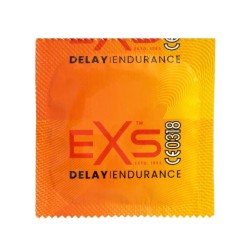
If a condom is "ruining" anything, it is more likely a lack of lubricant. A good water-based or silicone lubricant solves the friction problem in seconds, without damaging the latex. A condom that already comes with lubricant, for anyone who wants to keep things simple:
The 7 myths at a glance
| Myth | What's actually true | Source |
|---|---|---|
| Size is the only thing that matters | Height matters almost as much as size, and the benefit of "bigger" shrinks | Mautz et al., PNAS 2013 |
| Orgasm from penetration alone | Only 18.4% say it's enough on its own | Herbenick et al., J Sex Marital Ther 2018 |
| Two condoms, double protection | Raises the risk of breakage, does not lower it | CDC |
| No pregnancy during your period | Lower odds, not zero | NHS |
| Sex burns calories like a workout | Less than half the calories of a 30-minute treadmill session | Frappier et al., PLOS ONE 2013 |
| Thinking about sex every 7 seconds | About 19 times a day on average in men | Fisher et al., J Sex Research 2012 |
| Condoms ruin pleasure | Same pleasure ratings with or without | Sanders, Reece, Herbenick et al., J Sex Med 2010 |
Why so many sex myths survive
Most people do not learn about sex from a doctor or a study. They learn from friends, from movies, from stories that have been passed around for so long nobody remembers where they started.
In the shop we see something interesting quite often: when someone hears the correct information without judgment, they relax. They do not feel bad for having believed something wrong, they feel relieved. That, in my view, is the most useful thing a shop like ours can offer: not just products, but a place where you can ask a question without embarrassment.
Frequently Asked Questions
Is there a "normal" penis size?
There is a range of sizes within normal limits, not one "correct" number. Studies comparing attractiveness and satisfaction show that other factors (body shape, communication, technique) matter just as much or more. If anxiety about size is significantly affecting your daily life, talking to a urologist or sex therapist helps far more than searching the internet.
What do I do if a condom breaks during sex?
Stop, remove the broken condom, and assess the risk: possible pregnancy or a sexually transmitted infection. For pregnancy risk, emergency contraception works best the sooner you take it, so ask a pharmacist right away. If there is any concern about infection, contact a doctor. No article, including this one, replaces that conversation.
Can I trust what I read about sex online?
Only if the source is clear: a study with a named researcher and journal, an official health body, a doctor you can name. If a piece of writing says "always" or "never" with nothing backing it up, treat it with caution. Anything that sounds like medical advice should always be confirmed by an actual healthcare professional, not by an article.
Why do different studies report different numbers for orgasm from penetration?
Because samples, definitions, and the exact questions asked differ from study to study. Some ask "is it enough on its own", others ask "do you also need something else". The consistent finding across all of them stays the same: most women need or benefit from clitoral stimulation, penetration alone is not the rule.
Where can I ask a question without feeling embarrassed?
In our shop you can ask anything without judgment, it is part of the job. For medical questions (pain, infection, contraception) the right place is a doctor, gynecologist, or pharmacist. Neither place has room for a "stupid question".
Have a question?