





.svg)
 (1).svg)

Between water-based and silicone-based lubricant, there isn't one that wins every time. Water-based is the safer default: it works with latex condoms and with every sex toy, but it dries out faster. Silicone-based lasts a lot longer, though it doesn't always mix well with silicone toys. In our own numbers from the last 6 months, water-based sells by far the most, but that doesn't mean it's the right choice for every use.
THE ESSENTIALS IN 30 SECONDS
- Water-based: the safe default, works with latex condoms and with every sex toy, dries out faster.
- Silicone-based: lasts a lot longer, but not always with silicone toys unless you check first.
- At OLA4U, over the last 6 months, more than 9 out of 10 orders between the two types were for water-based lubricant.
- For the bath, the shower or a jacuzzi, silicone holds up far better because it repels water.
- If you're not sure what to pick, start with water-based, and skip glycerin if you have a history of yeast infections.
Water-Based Lubricant: What It Is and When It Fits
Water-based lubricant is the simplest case: water and thickening agents, nothing more. That's what makes it compatible with almost everything. It works with latex condoms without weakening them, it works with every sex toy material, and it cleans off with a bit of water without staining the sheets. For anyone trying it for the first time, it's the lubricant that asks nothing of you, no rules to remember, no material to check first.
It has one real downside: it dries out fairly quickly, especially over a longer session. That's just how water behaves, not a flaw in the product. You add a bit more whenever you feel friction. Nothing to overthink. Some water-based products are thicker and hold up a little longer than others, but the gap with silicone stays roughly the same.
Personally, for anyone walking into the store for the first time who isn't sure what to ask for, this is the category I point to. It has the fewest "yes, but". If something doesn't quite work, the only risk is reapplying it once more than you expected.
Silicone-Based Lubricant: What It Is and When It Fits
Silicone is a synthetic material built from silicon chains, chemically different from water or oil. In a lubricant that translates into a thicker, more "velvety" feel and a duration far longer than water-based. It doesn't absorb into the skin as easily, so the glide stays for much longer without needing to reapply. It's also the better pick for use in water (shower, bath, jacuzzi), precisely because it repels water instead of dissolving in it.
Silicone-based lubricant works fine with latex condoms. The thing to watch out for sits somewhere else.
Silicone lubricant on a silicone sex toy can, over time, wear down its surface, make it tackier, or leave it more prone to tiny cracks where bacteria can gather. It doesn't always happen, it depends on the quality and formula of both the lubricant and the toy. Toy manufacturers usually recommend checking a small, hidden spot first. Put a small drop on, wait a few minutes, wipe it off. Then check whether the surface changed texture or turned sticky compared with the rest of the toy. If it did, don't use it. If the lubricant's packaging explicitly says "silicone-safe", that's already been checked by the manufacturer.
There's no single best lubricant, there's the right one for what you're using it for.
Comparison Table: Water or Silicone Across 6 Criteria
| Criterion | Water-based | Silicone-based |
|---|---|---|
| Feel / texture | Light, more natural | Thick, keeps a smooth glide |
| Duration before reapplying | Short/medium | Long |
| With latex condoms | Yes | Yes |
| With silicone sex toys | Yes, with all of them | No, unless stated on the label |
| Cleanup / stains | Rinses off with a bit of water, no stains | Can leave a greasy feel, needs soap |
| Water, bath, jacuzzi | Rinses off immediately, loses its glide | Holds up, good choice in water |
| Price per ml (indicative, OLA4U) | Generally lower | Generally higher |
What We Sell More Of at OLA4U
The question we hear most in the store, across pretty much every product category, is "what do most people go for". For lubricants, our own numbers give a clear answer. Over the last 6 months (up to 12/10/2026) we had more than 540 orders for water-based lubricant and fewer than 40 for silicone-based, which works out to more than 9 in 10. Part of that gap comes from range, we simply carry more water-based options. But the gap in orders is a lot wider than the gap in range. Silicone isn't a worse product. Most of our customers just reach first for the simpler, safer option, and move to something more specific only once they need it.
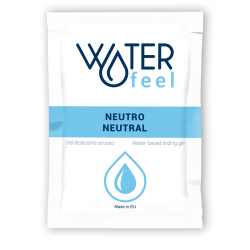
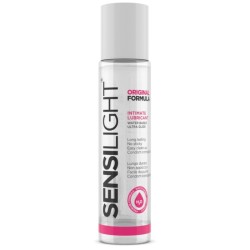
If you want to start with the more popular category, here are three water-based options we keep in stock, from a small trial size up to a full bottle:

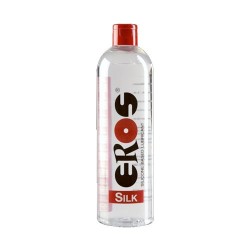
If you already know you want something that lasts longer, and you're not pairing it with silicone toys at the same time, here are the two silicone-based options we have in stock:

When One Fits Better Than the Other
For everyday use, for a first purchase, for anyone who isn't sure what they need, water-based is the right call. It doesn't damage anything, there's no rule to remember, and if it's not quite your thing, it's easy to move on. Silicone makes sense in specific situations: a much longer session, dryness that keeps coming back, or use in water, where water-based simply washes away. There's also a middle ground we won't go into here, hybrid lubricants, which try to combine some of silicone's duration with water's easier cleanup. We don't have enough sales volume in that category yet to draw a conclusion, but we cover it in the full lubricant guide, along with oil/cream, organic, and powder lubricants.
If you're not sure, always start with water-based. It's the lubricant that works in almost every situation, and once you know what's missing (duration, use in water, something thicker), you'll already know exactly what to ask for next time.
Quite a few water-based lubricants contain glycerin. The World Health Organization has set an upper osmolality limit of 1,200 mOsm/kg for lubricants used in sexual health programmes, while normal vaginal secretions sit around 260-290 mOsm/kg. Products with a much higher osmolality than that range have been linked in studies to greater epithelial sensitivity. That doesn't mean every lubricant with glycerin is a problem for every person. If you have a history of yeast infections, though, the safer move is to ask a pharmacist or gynecologist before you choose, and to read the ingredient list on the packaging.
Frequently Asked Questions
Which lubricant should I pick, water-based or silicone-based?
If you're not sure, start with water-based. It works with latex condoms and with every sex toy, cleans off easily, and it's the safer default. Silicone lasts a lot longer and works better in water, but needs some care with silicone toys. In our own data from the last 6 months, more than 9 out of 10 orders between the two types were for water-based.
Can I use silicone lubricant with a silicone sex toy?
Better not to, unless the lubricant's packaging explicitly states it's compatible. Silicone on silicone can, over time, wear down the toy's surface, make it tacky, or leave it more prone to tiny cracks. If you're unsure, test a small drop on a hidden spot first, leave it for a few minutes, and check whether the texture changes, as most manufacturers recommend.
Is water-based lubricant safe with latex condoms?
Yes, it's the safest choice for pairing with latex condoms, along with silicone-based lubricant. What you want to avoid with latex is oil-based lubricants, such as body oil or petroleum jelly. They weaken the material within about a minute of contact and raise the risk of it breaking.
Which lubricant lasts longer?
Silicone-based. It doesn't absorb into the skin as easily as water-based, so the glide stays for much longer without needing to reapply. The trade-off is that it usually costs more per ml and needs some care around silicone toys.
Which lubricant should I use in the bath or the pool?
Silicone-based, because it repels water instead of dissolving in it and holds its texture far longer. Water-based rinses off almost immediately on contact with water, so it doesn't really do anything useful in that setting.
Is glycerin in lubricant bad for you?
Not necessarily for everyone, but it's worth some caution if you have a history of yeast infections. The World Health Organization has set an upper osmolality limit of 1,200 mOsm/kg for lubricants, well above the normal vaginal osmolality of 260-290 mOsm/kg. Lubricants with much higher osmolality have been linked in studies to greater epithelial sensitivity. If you have a history, ask a pharmacist or gynecologist before choosing, and check the ingredient list on the packaging.
Have a question?